A simple guide to ideal mowing heights for every grass type. Learn how proper cutting prevents weeds and promotes deep roots for a drought-resistant lawn.
Continue readingWhy Seeding Your Lawn Might Not Be the Solution

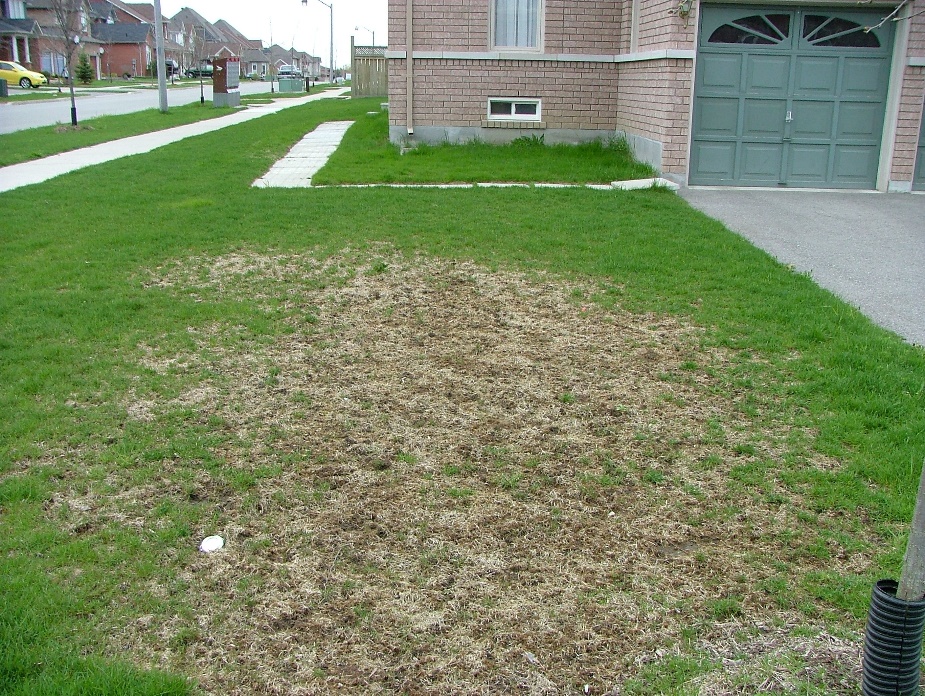
Before you seed your lawn, understand why it’s struggling in the first place. Common reasons seeding fails.
Continue readingHire a Pro or Go DIY? The Economics of Lawn Care
Thinking about tackling your lawn care on your own? While DIY might seem like a money-saver, it often comes with hidden costs, time commitments, and underwhelming results. This article explores the pros and cons of DIY lawn care versus hiring a professional, so you can decide what’s best for your lawn, your budget, and your peace of mind.
Continue readingIdentifying & Treating Thistles in Iowa Lawns
Thistles are one of the more problematic weeds we encounter at UltraLawn. While most broadleaf weeds can’t survive regular mowing, thistles are ones that can withstand the blades and will keep coming back! This resilience not only makes them difficult to control but also presents hazards, especially to customers with pets or children. Thistles don’t need much of an introduction, but we’ll cover the two most common types: Canada thistle and Bull thistle. If you’re reading this blog, chances are you’re familiar with thistles in your lawn. The pictures below may, unfortunately, be familiar to you.
Identifying Canada Thistle
Canada thistle is a perennial plant, returning year after year with leaves covered in spines that produce recognizable pink/purple flowers when allowed to grow tall. Mature leaves’ waxy coating complicates herbicide application. This weed spreads vigorously through seeds and an extensive network of underground roots, each plant capable of producing over 50,000 tiny seeds. Removing the flower prevents seed production, but managing its deep-reaching roots proves far more challenging.
The roots of Canada thistle run deep, rendering attempts to remove them often futile. These underground root systems feature growth points called “nodes,” from which new growth can emerge when disturbed. This characteristic, beneficial for lawn aeration’s ability to thicken turf by encouraging new plants, also complicates weed control. Pulling weeds like thistles, quackgrass, or yellow nutsedge can stimulate further growth from these nodes, exacerbating the issue. It’s crucial to consider the origin of these weeds; thistles from neighboring properties or landscaping beds will persist until addressed at the source.
Given these challenges, effective control of Canada thistles typically requires chemical intervention. Later, we’ll discuss strategies for chemical control, including approaches for managing other problematic thistles.
Identifying Bull Thistle
Bull thistle shares the “typical” traits of all thistles; leaves that are very spiny along the edges and a rosette appearance. However, it differs from Canada thistle in several key aspects: the upper leaf surfaces are hairy rather than smooth, the color is darker, and the plant itself is larger in size. Bull thistle follows a biennial life cycle, completing its growth over two years unlike Canada thistle’s perennial nature. In its first year, it forms a low-growing rosette, while in the second year, vertical stems develop for flower and seed production. This species is commonly found in pastures, forage grounds, or undeveloped natural areas, often emerging in newly developed lands where thistle seeds may lay dormant in the soil.
Unlike Canada thistle, Bull thistle does not spread via underground roots, relying solely on seed reproduction. Preventing bull thistle from seeding can lead to the eventual demise of individual plants without producing offspring. This characteristic contrasts with the challenge posed by Canada thistle’s prolific seed production and deep-rooted nature. Mechanical removal, such as digging up the plant, is an effective control method for bull thistle, provided it is caught early before it becomes established.
Myth Busting: Thistle Seeds in Bird Seed
Thistles, like dandelions, are prolific seed producers equipped with feathery appendages that aid in long-distance travel. We feel that it is important to dispel a certain myth, however. Contrary to popular belief, bird seed does not contain actual thistle seeds. The seed labeled as such is from a plant called nyjer, and it is treated with heat to make it non-viable. Several species of thistle are considered noxious weeds, and manufacturing their seed as a food product would likely violate regulations.
Chemical Control of Thistles
Now that we have a better understanding of the specific thistles we’re dealing with, let’s focus on the core topic—controlling them. Bull thistles, with their larger size, darker color, and hairy leaves, can be dug out as they do not spread. In contrast, Canada thistles are smaller, lighter in color, and tend to proliferate quickly once established. Our broadleaf weed control methods effectively suppress and stunt thistles, although complete eradication can be challenging.
For our full program customers, we offer complimentary service calls, crucial for tackling stubborn weeds. During these visits, our team uses specialized products tailored to specific weed issues, including stronger, longer-lasting treatments for Canada thistles that target their extensive underground root systems. Multiple applications are often necessary for effective control.
Thistles present a formidable challenge but are not unbeatable. In addition to thistles, other common weeds to combat include creeping charlie, crabgrass, and quackgrass. Each of these weeds requires specific control strategies to keep your lawn healthy and weed-free. At UltraLawn, our professionals are equipped to help you combat thistle problems and ensure your lawn is safer and more enjoyable. Contact us today if you’re facing thistle issues, and let us assist you in achieving a healthier lawn.
How to Keep Your Lawn & Landscape Healthy in a Drought
Over the last few years, we’ve learned just how challenging it can be to maintain a green and lush lawn & landscape during a drought. Scorching temperatures and dry soil can take a toll on your plants and grass. But don’t despair, there are some tips and tricks you can use to keep your Cedar Rapids & Iowa City properties looking great even in the driest conditions. Here are some of them:
Proper Lawn Mowing Routines
We always recommend raising your mowing height in the summer months. As we found out in the spring of 2023, it may be necessary to do this as a response to turf conditions. Mowing & edging your lawn too short or waiting too long between mowing can have several detrimental effects. Every time the plant is mowed, moisture is removed. Not only is the plant itself mostly made of water, but the open wounds from mowing will result in a loss of moisture. Furthermore, moisture is required to help “build” the leaf tissue that is grown to replace what has been lost. Mowing too short, removing more than 1/3 of the plant, will thin out the canopy of grass leaves and allow more sunlight to filter through to the soil. That will dry the soil faster and open up avenues for weeds to come in. The single thing that a homeowner can do that is hardest on the lawn is to mow too short. Doing this in the midst of a drought can set a lawn back months. Aim for a height of 3 to 4 inches, and in the heat of summer/in drought conditions, set your mower on the highest setting possible. It’s also very important to make sure your mower’s blades are sharp. A sharp blade will cut through grass cleanly, leaving a wound that will heal quickly. A dull mower blade tears and shreds the plant, creating a large wound that will take longer to heal. Also, the increased surface area of the cuts (as shown on the left), will result in more moisture leaving the plant.
Don’t Skip Your Lawn Care Treatments!
There is a widespread notion that applying fertilizer when it’s hot will “burn up” the plant. That is simply not true. A regular application on the hottest summer day, even on dormant turf, will not have any negative affect on your lawn. Fertilizer only is a negative if it’s misapplied; a spill that doesn’t get cleaned up or sufficiently diluted, or a liquid fertilizer that is allowed to get too hot and it turns into acid. Simply put, something has to go very wrong for fertilizer to burn the turf, and in those instances, no weather conditions would save the plant.
Lawn fertilizer does more than help grass grow. Essential nutrients are supplied that help maintain as healthy a plant as possible. Elements like potassium, phosphorus, calcium and sulfur are vital to the plant’s ability to withstand stress, fight off disease, grow strong roots, or make sure the most necessary functions at the cellular level are operating as efficiently as possible. Plants use water, sunlight and nutrients at all times, except for during deep winter dormancy. Having a reserve of essential nutrients in the soil is necessary for plants to function when conditions are great for growing. Drought dormancy is very hard on plants, and the things that are needed for plants to grow in good conditions are needed even more to help plants recover should they slip into dormancy. Having a reserve of nutrients for turf roots to feed on is absolutely necessary for your lawn to fully recover from drought. It’s never a good idea to starve your plants!
Rainfall or irrigation is necessary to “activate” nutrients in the soil. A common request we’ll receive is to wait for rain to complete the next application. It is much better to complete the application when it’s dry and wait for rainfall, than to wait and complete it after it rains. We are never certain when the next rain event will happen, and fertilizer doesn’t disappear if it isn’t watered in. The products we use are coated for a controlled release, ensuring that the product will stay in place and release slowly over time. This gives the plant a slow feeding that lasts for several weeks and helps to maintain a rich, green color.
Water Your Lawn Wisely
When you water your lawn and landscape, make sure you do it efficiently and effectively. The best time to water is early in the morning or late in the evening, when the sun is not too strong, and evaporation is minimal. Water deeply and infrequently, rather than shallowly and often, to encourage deep root growth and drought tolerance. If you’re watering landscape plants, set up a drip irrigation system or use a hose on a soaker setting to deliver water directly to the roots, rather than a sprinkler that wastes water on the leaves and pavement. Watering the foliage of landscaping plants or trees in the hot/humid stretches of summer can encourage disease development.
Mulch or Rock Your Landscape Beds
Mulching is a great way to conserve moisture, prevent weeds, and protect the roots of your plants from extreme temperatures. It’s best to use organic materials such as wood chips, straw, leaves, or grass clippings. Synthetic mulches made out of plastic or rubber are also available and can provide many of the same benefits, but they are costly, don’t break down to become organic matter, and can’t be tilled into the soil. Rock is frequently used in landscaping beds and does a good job suppressing weeds as long as a quality barrier is in place under the rock. Like mulch, a rock layer can also prevent moisture loss from the soil. However, rock can become very hot and can damage plants that are more sensitive to heat. Rock will reflect heat that can cause wilting to foliage and heat stress that wouldn’t occur with a wood mulch. A sound strategy that combines the look of rock with the benefits of mulch is to have a ring of mulch around the base of the plant, while the rest of the bed is covered in rock. When mulching, apply a layer of 2 to 4 inches of mulch around your plants, leaving some space around the stems to avoid rotting.
Consider Tall Fescue Grass for Your Lawn
Tall fescue is something that we’ve spent a lot of time talking about, and for good reason. It’s known for its deep root system, which allows it to withstand drought conditions better than many other grass types. By considering tall fescue for your lawn, you can take a proactive step towards drought management. Its resilience and ability to maintain green color even in dry spells make it a valuable addition to any lawn.
Drought management is expected to be a necessary skill moving forward! By incorporating tall fescue and implementing these tips, you can keep your lawn and landscape healthy and vibrant even in the face of drought challenges.
What Did We See in 2023?
As 2022 was coming to a close, we did a quick synopsis of what we had encountered that growing season. The general feeling was that it was a very unique year and we were hopeful that some of the problems we found wouldn’t become new traditions. The good news is that insect issues were not nearly as bad in 2023, and that was a major concern of ours heading into this season! The bad news is that the periodic stretches of dry weather from 2022 turned into a near season-long drought in 2023.
Drought Stress Continues...
A relatively mild, dry winter started our year off with a moisture deficit. That deficit never went away, as every month of the growing season failed to provide the amount of moisture we needed to return our lawns and landscapes to a state of proper hydration. Without additional irrigation, plants lacked color and vigor. Flowers were sparse and small, and scenic landscapes lacked their usual “wow!” factor. Depending on species, some mature shade trees showed various signs of drought stress all season.
On lawns, the prolonged drought showed itself in a number of ways. The vibrant green color of spring was faded and lawns came out of winter more slowly. It is usually a battle to keep the lawn mowed in the months of May and June, because the grass is growing very fast. We did not have that problem this year, and the lack of growth meant thin or bare areas never fully healed. Lawns were battling dormancy all summer, resulting in a thinning of the turf and increased susceptibility to compaction, traffic, and insect damage. A reduced turf canopy opened the soil to warmth and sunlight, which gave weeds an avenue to break through. Luckily, some timely rains in the later part of fall helped hydrate the soil and give our plant life much needed water to help restore some of its lost luster. The late rains also gave us a clear picture on areas that may require seeding in the spring.
The Unexpected Culripts
Another issue that was frustrating to us and our customers involved the increased amount of raccoon damage that was seen for a few weeks in October. Whenever we see animals digging through turf, our immediate reaction is to assume that there is a problem with insects. Even after using a product that kills grubs and other surface insects, the raccoons were still digging! Why? Well, we learned a few things! First, raccoon populations have exploded across the state of Iowa over the last 15 years. The price for fur has gone down considerably, and fewer people are trapping them as a source of income. Due to several dry years in a row, it is becoming more difficult for them to find food in their natural habitat. As a result, they are searching around homes and in urban areas for something to eat. Second, they don’t care if their food is alive or dead. We found a few grubs on properties that were dealing with raccoons, but they were not white or lively. Those grubs weren’t damaging the turf, but a hungry raccoon doesn’t care. Third, raccoons are great at finding anything to eat. It turns out their presence doesn’t indicate an insect issue at all. The problem was the raccoons themselves. There are simply too many of them and the only solution that was found that had a positive impact was to trap or eliminate them. The state of Iowa has changed its laws around dealing with raccoons, and our hope is that their populations come under control and they stop being such a nuisance for our customers.
I Have My Own Irrigation System! Am I Doing This Right?
Congratulations! You’ve just bought the house of your dreams in Iowa City or Cedar Rapids, IA! It’s a great feeling – this is the kind of home you’ve worked for and you just know that you’re going to be happy there. You’re a bit of a lawn nut too, and you’ve stumbled into a property that has an in-ground irrigation system. No more brown or yellow lawn in July and August when things get too dry. You can have a nice, lush, green lawn the whole season, and the title of “Turf King” is in your sights.
Oh, if only it was that easy! Water is essential for all plant growth, we all know this. But did you know that too MUCH water is actually worse for plants than too little? The tendency for homeowners is to water too much. If you water every night, then it won’t go dry! That may be true, but we’ll cover the danger behind that thinking in a bit. Or, the company that installed the system put together a schedule that doesn’t take into account the environment at your property; “factory settings”, if you will. Having an irrigation system can be a major convenience and a beneficial item in the quest for the best lawn on the block. However, they do require constant monitoring and maintenance to make sure they’re doing the job correctly.
Turf irrigation is a broad topic that could fill several hours and many pages of reading material. Turf professionals all across the world spend considerable time on the “simple” act of watering the turf. We’ll try to keep things relatively simple (after all, we’re not hosting Wimbledon or the Super Bowl on our lawns) and touch on the key points that will help you get a grasp of how to make your irrigation system work for you!
So, What is the Right Amount of Water?
In general terms, one inch of water per week is recommended for growing healthy turf. It’s a decent benchmark, but that number should change through the course of the season. When temperatures are cool, daylight hours are short, and if we go through a stretch of cloudy skies, your lawn will need very little water. At the peak of summer heat, one inch of water probably isn’t enough! The best way to determine how much water is enough is to examine the turf itself. Grass has an amazing way of telling us what it needs! This isn’t a difficult thing to do, taking a few minutes to walk across the lawn will give you an idea of what it needs for water.
What do I look for??
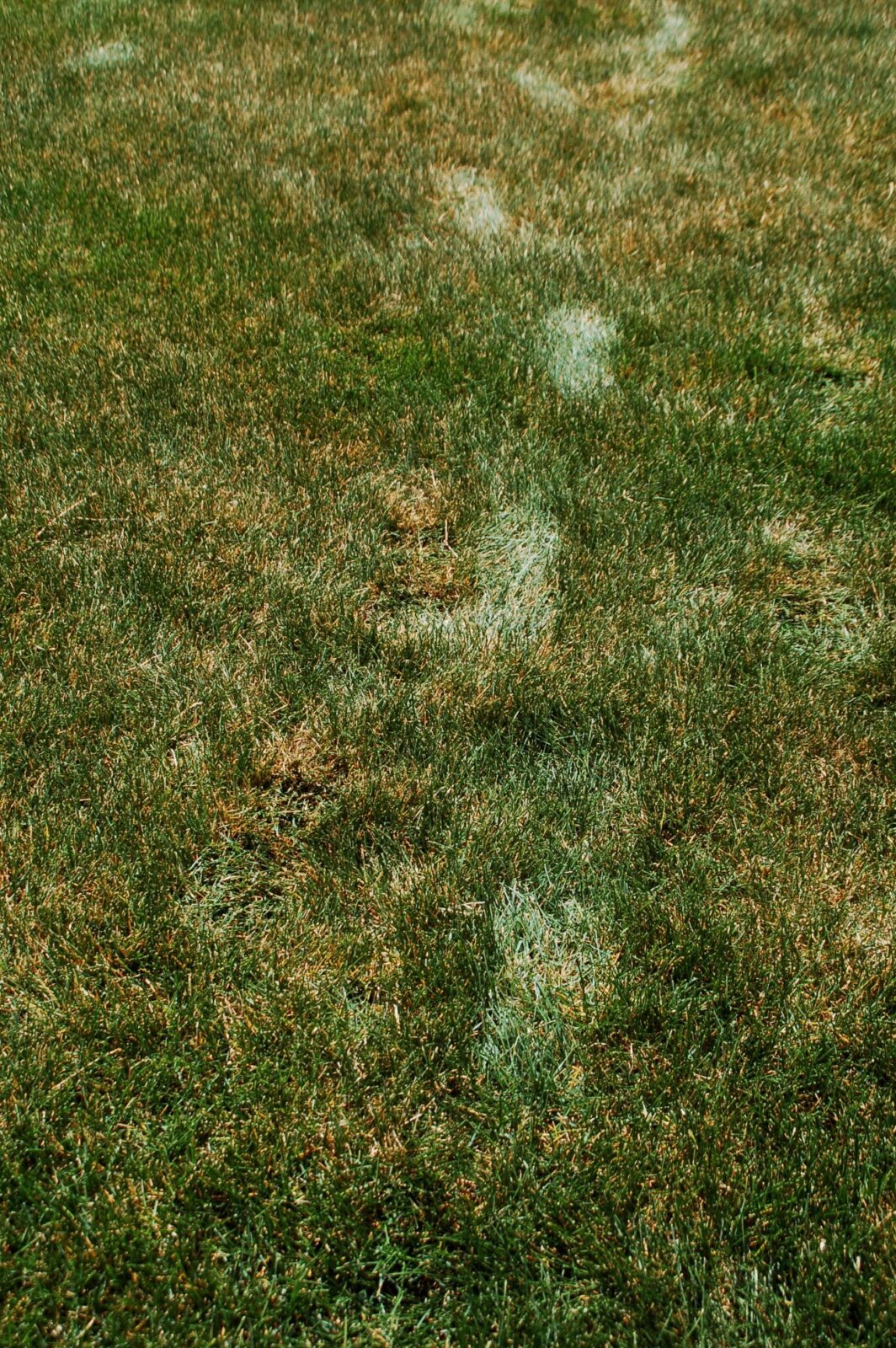
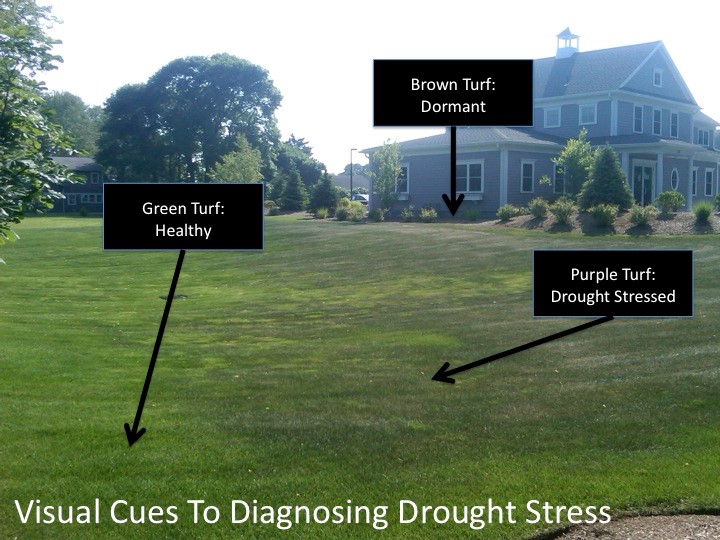
Luckily, turfgrass gives us ample warning when it starts to dry out. The first thing we look for is a change of color. The green color fades a bit and starts to take on a grayish cast. As it progresses, it starts to take on a purple cast as well. At this stage, the leaf of the plant breaks and bends easily. Walking on it will leave very noticeable footprints (as shown below). You may notice that the grass has stopped growing in those spots as well. This is the IDEAL time to water. A deep, thorough irrigation the night/morning after seeing turf at this stage will be extremely beneficial, and the best technique for the health of the turf.
If the turf doesn’t receive any water at the above time and goes a few more days without water, the purple cast becomes brown patches. If you pull at the turf in these spots, it will stay in place (meaning that it isn’t some sort of insect chewing at roots). The soil has very little moisture at this point, and a very deep irrigation is needed to bring things back. Watering a few nights per week may be necessary to give the turf enough water so green growth is again visible. Unfortunately, it may take a few weeks for everything to green up if the lawn is allowed to dry out to what is seen below. Once the leaf tissue is dried out, it takes time for the turf to regenerate enough new growth that the damaged turf is mowed off.
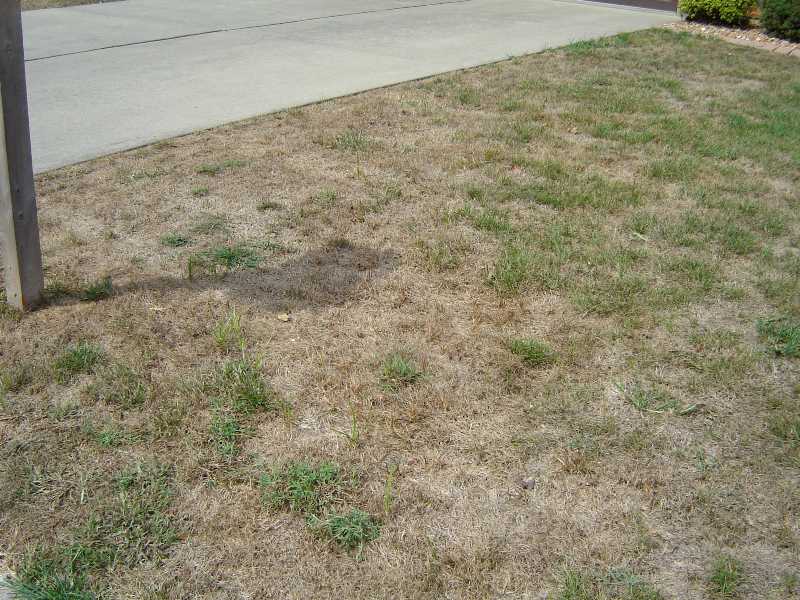
Anything past the conditions shown above means the lawn has likely gone into full dormancy. Dormancy means the plant has shut down and is waiting for conditions to be right again in order to revive regular growth. This could take several weeks or more.
Watering “Correctly”
Now that we’ve covered what to look for, we’ll discuss what it means to water properly (yes, there is a right and wrong way to water plants). The rule of thumb for turf is “deep and infrequent”. We want to water the lawn thoroughly, with the goal of putting about ½” water on the turf. When do we want to water? We talked about that earlier, we want to water the turf when it gets to the grey/purple stage we showed earlier. That is when the plant and the soil will be most receptive to moisture.
When we talk about amounts of water, it can be confusing because irrigation controllers aren’t adjusted based on amounts, they’re adjusted based on time. How much water is a ten-minute cycle? Is thirty minutes enough? There’s an easy way to find out! You can place a few containers (empty soup cans, Tupperware containers, etc.) in the lawn a few feet apart. They have to be in a spot that is irrigated by one “zone” of irrigation heads, and they have to be the same container to give us consistent readings. A zone is a group of several heads that run at the same time, and water a specific area of the lawn. If you turn that particular zone on for 15 minutes, we can figure out how much water that area is getting in one hour by measuring the average amount of water in those containers and multiplying by 4. For example, if there is 0.2” of water in the container after 15 minutes, then you can expect 0.8” for an hour of operation. It’s expected to have some inconsistencies, but we’re hoping to get a ballpark figure to help guide our watering decisions. The more containers we can use, the better. In that case, running two zones at the same time might be necessary.
Depending on the weather conditions, we may be able to water once a week, or if things got away from us a bit, we might have to water two nights in a row. During a stretch where we’re getting ample rain, we could go several weeks without running an irrigation system. The key to all of this is being able to recognize when the plant needs water, and only watering when needed.
So Why Should We Let It Get So Dry?
When plants are healthy, they grow. Not only are the leaves and “showy” parts thriving, but the roots are growing too. The thicker and deeper the roots, the more efficient the plant is at taking in water and nutrients. Drying the plant out actually encourages roots to grow deeper in search of more water. We starve the plant of water until it shows signs of drought stress, then we give it a thorough drink to quench its thirst. In general, a ½” of water should moisten the soil approximately 6” deep. Maintaining this cycle of deep watering on dry turf will encourage a thicker root system to the point that irrigation becomes even less frequent.
If we water too frequently in small amounts, the roots never have a chance to go searching for water. Shallow root growth is going to lead to many issues and a plant that isn’t healthy. Over-watered turf will take on a bit of a yellow cast and will thin out over time. If the roots shrink, so will the plant. This watering patterns leads to excessive moisture in the thatch layer, which can lead to turf disease. In extreme cases of overwatering, the soil becomes soft and prone to mower damage. Weed infestation becomes possible due to the soil being wet and the plant thinning out. If we enter a period of very hot weather and the soil surface is wet, we run the danger of seeing scalded turf. The top layer of soil turns into an oven, and this deadly combination of heat and moisture literally cooks the roots.
Water is a precious resource, and we don’t want to see any of it wasted. I’m sure we’ve all driven down the street in the rain and noticed irrigation running at a business or home. Those are situations we absolutely want to avoid. There certainly is a responsibility that comes with having an irrigation system. Being armed with the knowledge of proper watering techniques will help your lawn, the environment, and the level of enjoyment from having it. Irrigation doesn’t have to be irritation!
Identifying White Grubs in Your Iowa Lawn
There are numerous insects and weeds that can affect a stand of turfgrass, whether it be a home lawn, a golf course, or an athletic field. They all are unique in their timing, damage, and what we can do to control them. Few things, however, can take out a vast area of turf like white grubs can. One infestation of white grubs is all that is needed to know that they are something worth treating for. If you haven’t had them in your lawn, the odds are that you know someone who has. We’ll look at how to identify them, the damage they cause, and what can be done to control and prevent them.
What Does White Grub Damage Look Like?
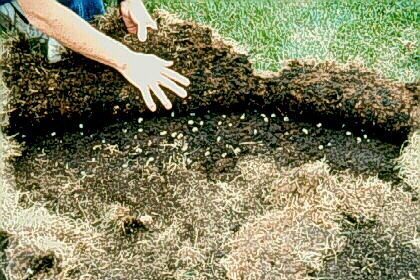
White grubs are the larvae of several types of beetles. These adults lay eggs in the summer, and these eggs hatch in the early fall. These larvae are really hungry and need to eat a lot in order to prepare for overwintering and metamorphosis (when they change into adults). They eat the roots of turfgrass right below the surface of the soil, causing the plants to dry out, wilt, and eventually die. Labor Day is usually when we start to see grub damage, and it can persist into October. If grubs are suspected, there’s a very easy way to find out. When the turf is grabbed and pulled, it peels back like carpet (as shown on the left). The picture on the right shows grub damage a few days after infestation.
This damage in and of itself is incredibly damaging. What can be absolutely devastating, however, is the damage caused by animals looking for these grubs. Skunks, raccoons, possums, and other four-legged friends will turn the grass over and dig to find these grubs. That damage is pictured above on the left and below. These animals are all nocturnal, so they’re doing their feeding at night. We can repair that damage by putting everything back down in its place, but if there are still grubs in the soil, the same areas will unfortunately be dug up again. Once the turf is put back, it will take fertilizer and a healthy amount of water to get things to root and fill in again. It is not an enjoyable process. In most cases, areas that have been damaged by grubs eventually need re-seeded or sodded.
White Grub Identification
White grubs are the larvae of several different beetles that are common in this area of the country. As the name suggests, they have a white, fleshy body and an orange/brown head. They have three pairs of very small legs near their head with an elongated body. They are usually found curled up in the shape of a “c”. There are nine different insects that give rise to white grubs. The most common in our area that lead to white grubs are the Northern Masked Chafer and Japanese Beetle. The bluegrass billbug is also a culprit, but their timing is different and that is discussed in another blog post. Here is a picture of the different beetle species, and a picture of the various grubs that hatch from these adults. They all have the same general appearance but are different in their size and the pattern of the hairs on their hind end.
Controlling White Grubs
Luckily, white grubs can be controlled with a single application in the summer. There are a few different insecticides that can be applied to turf that will make the roots toxic to these grubs. The product that we use at UltraLawn is applied in the summer when adults are in flight and laying their eggs. This will need watered in so the plant can fully absorb the active ingredient. Preventative measures are the best, most economical way to treat for grubs by a wide margin.
Curative measures are available if an infestation has occurred. The active ingredients to these products are different, and they are typically more expensive. In order for these products to work, they need to be thoroughly watered in immediately after application for the product to work its way through the turf down to the grubs. Even if the response is prompt and the product is properly applied and watered in, there is no guarantee that our animal friends will stay away. Depending on how hungry they are, they may still eat grubs that are dead.
Grubs are the most damaging pest to bluegrass, and in order to protect your lawn, they must be treated for accordingly. If you would like some assistance, please contact us here at UltraLawn. Our trained professionals will gladly help!
Our Evergreen Partnership with the Cedar Rapids Kernels
Being in business for 38 years has allowed UltraLawn to cultivate a bevy of incredibly rewarding relationships. People have trusted us with all sorts of projects of all sizes dealing with an array of problems requiring solutions. Whether it’s controlling weeds in a small front lawn or helping to rebuild lawns and landscapes devastated by a natural disaster, the satisfaction of a job done well never gets old!
One of the unique partnerships that’s been created is with the Cedar Rapids Kernels. In 1890, the Cedar Rapids Canaries took the field as part of the Illinois-Iowa league. Nearly 120 seasons later (there were a few breaks in the action), the Kernels are still playing ball! There is a deep connection between the city of Cedar Rapids and this baseball team, and that support and passion was recognized in 2021. Major League Baseball restructured its minor league system, which resulted in dozens of minor league teams being disbanded. The Kernels were elevated to “High A” status in the rebranded Midwest League, showing just how great a job Cedar Rapids has done hosting professional baseball! We couldn’t be more excited or proud to be a small part of the experience they offer fans and players!
In 2008, we entered an earnest partnership with the Kernels to assist in taking care of the playing surface. The field there, consistently ranked among the best in the Midwest League, is under the outstanding direction of Jesse Roeder. Jesse has been recognized by the Iowa Sports Turf Managers Association as its Manager of the Year, and the field he maintains has also been awarded as the best playing surface in the state, regardless of sport.
High level athletic fields are a unique, delicate environment to care for. The field at Veterans’ Stadium is a premium blend of Kentucky Bluegrass grown on a sand-based medium. The field is fully irrigated and is mowed between 1” and 1.5”. UltraLawn does NOT recommend trying to replicate those conditions at home! The bluegrass blend used there is comprised of specific varieties of bluegrass that can withstand low mowing heights, do a better job holding up to traffic, and are more resistant to diseases. The interior of the infield is mowed with a 21” walk-behind “reel-to-bedknife” mower, the rest is cut with a 3-reeled unit commonly called a “triplex”. These types of mowers are specially designed for precision cuts on the highest quality of turf, and also make it possible to accomplish the striping and designs that you see when you put a baseball game on TV. Roeder and his staff mow the field several times a week, which helps keep the playing surface thick, fast, and consistent. Since there are heavy rollers on their machines, mowing directions do need to be alternated to keep the grass growing as upright as possible.
Whenever turf is grown and maintained in such conditions, it is under increased amounts of stress. Even though the field at Veteran’s Stadium is lush, green and perfectly manicured, there are extra steps necessary to keep it that way beyond what a homeowner must do to keep their own lawn in good shape. Regular irrigation is necessary to keep the grass hydrated, but in the heat of summer, it can create an environment where the turf is under disease pressure. This is one aspect where we’ve assisted the Kernels, applying preventative fungicide treatments there for several years. Depending on weather conditions, we will alter the products used to treat the disease that is the biggest threat at the time. Our equipment allows us to achieve superior coverage, done in a manner that ensures no compaction to the field from heavy spray equipment.
In addition to a disease control program, we also assist Mr. Roeder with insect diagnosis and treatment, as well as helping with problematic grasses that infiltrate the playing surface. At the beginning of each growing season, we come up with a plan with Jesse to make sure the needs of his field are being addressed, we’re responding to issues that may have crept up the previous season, and doing whatever we can to let him and his crew show off their excellent work.
We are a small cog in a smooth rolling wheel, but it’s a great source of pride that we can assist in taking care of the baseball field that belongs to OUR city’s team!
Battling Wild Violets in Iowa Lawns
In an earlier blog post, we talked about creeping charlie as a problematic weed in lawns. Wild violets are another broadleaf weed that causes some frustration due to their persistence and difficulty to control. Wild violets thrive in and are first noticed in shady, moist conditions, but can withstand drought once they’re established. A thin stand of turf will also be more susceptible to wild violets and other weeds. Wild violets and creeping charlie are frequently mentioned together, but the reasons behind their persistence are a bit different. Let’s take a closer look!
Identification of Wild Violets in Your Lawn
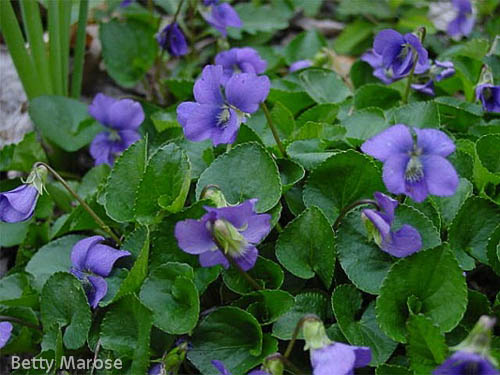
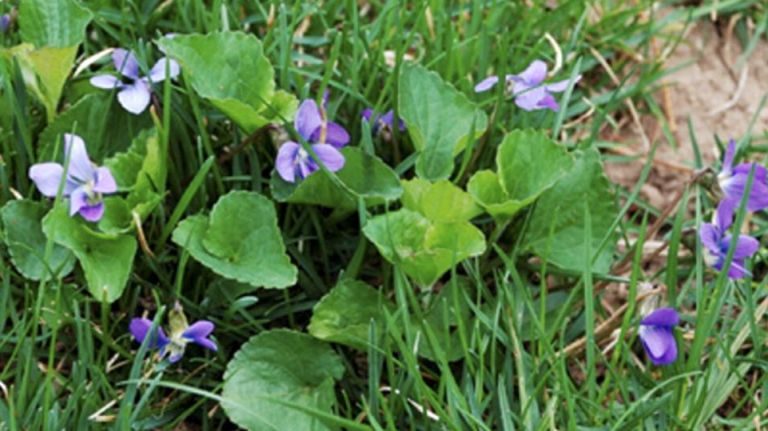
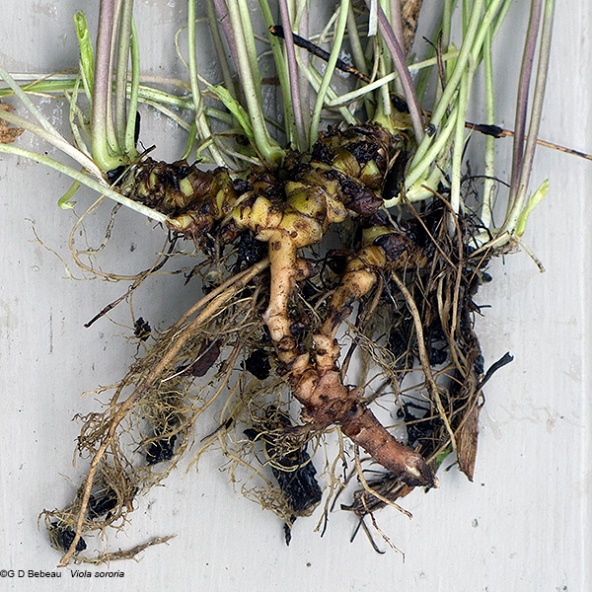
Wild violets have a heart-shaped leaf that grows on a single stalk. At times throughout the growing season, they’ll sprout small flowers that are blue/violets that also grow on individual stalks. At times, those flowers can be white too. Violets don’t grow very tall, so they usually aren’t seen from a distance like grassy weeds that grow faster than turf.
As mentioned earlier, wild violets thrive in shady, moist conditions. These conditions aren’t favorable for turf growth, which then exacerbates the issue. Tree limbs can be raised or thinned out to create more sunlight. If that isn’t a desirable option, that area could be converted to a low-maintenance landscape bed with shade-loving plants like hosta, astilbe and coral bells. As much as we love turfgrass, we also acknowledge that some environments aren’t meant for grass and would be better served in a different capacity. Aesthetically, a landscape bed may be more pleasing to the eye than a struggling patch of turf.
So, why are wild violets so difficult to control? There are a few different characteristics that make them a worthy adversary:
- The leaves of wild violets have a waxy coating that makes it difficult for herbicides to fully penetrate the leaf. We’ll touch on that when discussing controls for wild violets.
- Wild violets are resistant to a variety of herbicides. Our program includes herbicides that are effective, used in a rotation.
- Wild violets have a very thick root system and spread by thick underground roots called rhizomes. Repeat applications are necessary for the products to work their way into these roots.
Controlling Wild Violets on Your Property
There are two general methods to controlling weeds and pests; cultural and chemical. Cultural controls are non-chemical methods that are aimed at changing the environment or suppressing growth with practices designed to strengthen the turf. These include:
- Mowing your lawn at the proper height, and at appropriate intervals. Lawns should be mowed at least 3” through the growing season, and raised to 3.5” in periods of extreme drought or heat. Lawns should be mowed frequently enough that we’re removing NO MORE than 1/3 of the plant. At times, that may mean mowing every 4-5 days. Proper mowing is the #1 practice that has the largest impact on turf quality.
- Fertilizing at regular intervals and proper amounts to make the turf as thick as possible. Weeds are great at finding open spaces to grow, and a well-fertilized turf has a thick, full canopy that will prevent weed germination.
- Proper irrigation will help keep our turfgrass healthy, while also preventing a habitat that encourages wild violets. Violets love moist soil, and watering frequently will not allow the soil to dry out properly. A good irrigation schedule waters the lawn when needed, and provides about ½” of water at a time.
- Aerating at least once per year (spring or fall) is a necessary practice to help the soil and turf. Aeration relieves soil compaction, removes extra thatch, and improves air, water and nutrient movement within the soil. Regular aeration in conjunction with the above practices will yield a thick, healthy turf that will do a great job keep out any weed.
Chemical control, using herbicides, is usually necessary when dealing with wild violets. Because of its growth habit and characteristics, one treatment is not enough to eradicate wild violets. Repeat applications will be necessary, along with the proper lawn care practices outlined earlier. Certain products stay in the plant for longer periods of time and are metabolized by the plant more slowly than other herbicides.
Here at UltraLawn, we utilize these products whenever conditions are right for their use. Full program customers also receive free service calls; visits where we can come address issues and spot-treat problematic weeds between regular visits. UltraLawn is focused on proper weed control, and thorough coverage and treatment of weeds is part of the program. We utilize the best products available, and regularly change the tools in our arsenal to make sure we provide the best service possible. If you’re having problems with wild violets (or other problematic weeds), feel free to give UltraLawn a call for a free quote today!